
I have been thinking about healing lately. Not the Instagram version of healing. Not candles, journaling, morning routines and “protecting your peace.” I mean the uncomfortable kind. The kind where you start looking at yourself and realise that some of the things you have normalised are actually hurting you. Growing up in Nigeria, many of us were taught to endure. Endure your family. Endure your marriage. Endure your boss. Endure the disrespect because you need the job. Endure the relative who constantly crosses your boundaries because, well, family is family. Endure because things are hard. Endure because people have it worse. Endure because one day, somehow, things will change. And there is something admirable about resilience. Nigerians have plenty of it. But I sometimes wonder if we have praised endurance so much that we have forgotten to ask whether some things should simply be endured at all. There are things we call patience that are actually fear. There are things we call forgiveness that are actually avoidance. There are things we call respect that are really just an inability to say no. And there are relationships we keep because leaving would make us the bad person in somebody else’s story. Healing can make you unpopular. That is something nobody tells you. Because once you start setting boundaries, people may not recognise you. The person who was always available suddenly has limits. The person who always gave money now says, “I can’t.” The person who used to listen to everyone’s problems no longer wants to be everyone’s emergency contact. The child who used to keep quiet now asks questions. And people will say you’ve changed. You have. That is the point. But changing a pattern can feel incredibly uncomfortable, especially when the pattern is older than you are. Maybe your mother swallowed her anger. Maybe your father never apologised. Maybe everybody in your family knew how to provide but nobody knew how to talk about feelings. Maybe love was expressed through sacrifice, but rarely through tenderness. Maybe conflict was either shouting or silence. Nothing in between. So you grow up and carry these things without realising it. Then one day you hear yourself speaking to someone you love in exactly the way you promised yourself you never would. Or you realise you are choosing the same kind of people who hurt you before. Or you keep saying yes when every part of you wants to say no. And you have to stop and ask yourself: Where did I learn this? Not to blame your parents. Not to blame your childhood for everything. But to understand yourself. Because sometimes breaking a pattern starts with admitting that there is a pattern. And this is where boundaries become difficult. Because in our culture, boundaries can easily be mistaken for disrespect. You don’t answer every call? You’re rude. You don’t give money? You’ve changed. You don’t attend every family event? You think you’re better than everyone. You choose your own life instead of doing what everybody expects? What will people say? Sometimes I think what will people say? has controlled more Nigerian lives than we realise. People have stayed in unhappy marriages because of it. People have chosen careers they hate because of it. People have hidden abuse because of it. People have spent money they didn’t have trying to look successful because of it. People have lived entire lives performing for an audience that was never going to be satisfied anyway. And perhaps part of healing is deciding that other people’s opinions cannot be the GPS for your life. This doesn’t mean becoming selfish. It doesn’t mean cutting everyone off. It doesn’t mean every difficult relationship is toxic and everyone who disagrees with you is a narcissist. Sometimes you need to apologise. Sometimes you need to compromise. Sometimes you need to stay and do the hard work. But sometimes you need to leave. Sometimes you need to say no. Sometimes you need distance. And sometimes the most loving thing you can do is stop participating in a pattern that is hurting everyone involved. I think we talk a lot about healing ourselves. But perhaps we should also talk about healing what we pass on. Because the way we treat our children matters. The way we speak to our partners matters. The things we normalise in our homes matter. If I grew up believing that anger gives me permission to humiliate people, and I pass that belief to my children, then my unresolved pain does not end with me. It travels. That is the part that frightens me. Our wounds have a way of becoming family traditions if nobody stops to question them. So maybe healing is not becoming completely okay. Maybe it is becoming more aware. Catching yourself before you repeat something. Apologising when you get it wrong. Learning to have difficult conversations. Saying no without writing a three-page explanation. Leaving when staying is destroying you. Asking for help. Resting without feeling guilty. And accepting that you can love your family deeply and still need boundaries with them. You can forgive someone and still not trust them. You can understand why someone hurt you and still decide that they no longer get access to you. You can love someone and choose yourself too. Maybe that is the kind of healing we need to talk about more. Not the neat kind. The messy kind. The kind that makes you question things you were taught. The kind that sometimes makes you feel guilty. The kind where you realise that being a good person does not mean being endlessly available to everyone. And maybe, just maybe, healing is not about becoming stronger so we can tolerate more. Maybe it is learning that we don’t have to tolerate everything in the first place.
Insecurity is one of the most annoying things to live with. It rarely arrives as a loud crisis. It slipsin quietly, like a draft under a door, and settles in the corners of ordinary days.For me, it started with my skin. I battled terrible acne and the dark spots it left behind for thewhole of my teenage years. My face was a map of flare ups and fade marks, and I learned earlyhow to read a room for mirrors. I angled my face when I spoke. I found the good side. I masteredthe casual hand on cheek pose that wasn’t casual at all. Some mornings I felt so low I wanted tocancel the day before it began. I tried every home made remedy I could get my hands on.Mixtures that promised miracles and delivered rashes. Group photos felt like exposure.Compliments felt like pity. I wasn’t just dealing with pimples. I was negotiating my worth in myhead, every single morning.So when I noticed a single strand of hair on my chin, it felt like a betrayal. I’d already fought onebattle on my face for years. I was not about to add facial hair to it. The strand was thin, almostinvisible, but it may as well have been a headline. I stared at it in the small mirror we kept on thewall, and my mind did what minds do when they’re young and unpractised. It leapt. Why wasthis happening to me. Was I different. Was something wrong with me.Then it became two strands. Then three. Not much. Nothing anyone would notice unless theywere inches from my face. But enough to make me uncomfortable in my own skin. I carried thatdiscomfort to class. To every office I had to be in. I kept my hand near my jaw as if I werethinking, just to hide a patch of skin no bigger than a grain of rice.One morning I was getting dressed for an early class. My roommate was asleep on the bedbeside the wardrobe, her breathing slow and even. I ran my hand over my chin and felt the tinybristle. Without thinking, I reached for a shaving stick. I moved like someone defusing a bomb.Eyes flicking to her face. There was no way I was stepping outside with those strands. It didn’tfeel normal to me, and after years of acne, normal felt like the one thing I was owed.Just as I lifted the blade, she stirred. Her head rose from the pillow. Her eyes blinked open. Ifroze, the shaving stick hovering in the air like an accusation. My heart sank to my stomach. I feltthe hot rush of a child caught with her hand in the biscuit tin. I wasn’t sure if she’d seen what Iwas about to do. She acted unbothered. Asked if I had class. I nodded, burning with shame, androtated into a lie that felt safer than the truth. I pretended I was shaping my brow. Truth is Ididn’t even know how to. She rolled over and went back to sleep. She never made a fuss.To this day I wonder which story is true. Did she see and simply not care. Or did she notice mydiscomfort and choose to spare me. Either way, I laugh at myself now, but the moment stayedwith me. It taught me something small and sturdy. The things we call shame often matter far lessto other people than they do to us.Until you overcome the fear of what will people think, you live in a constant, low grade panic.You stall. You shrink. You don’t move. Fear narrows your world to the size of other people’simagined opinions. It keeps you rehearsing conversations that will never happen and apologisingfor things that were never wrong.Years later, scrolling through social media, I saw someone I knew trimming the hair on her chinlike it was the most normal thing in the world. The younger me wanted to shout, I was ashamedof this, and hoped she’d say, It’s okay. Then the algorithm, in its strange mercy, showed me morewomen. Some dealing with higher androgen levels who shave regularly, while others leave it andcarry on with their day. They weren’t apologising for nature. They couldn’t be shamed forsomething they didn’t choose. That hit me. We’re not just ashamed. We’re afraid. What will people say. What will my friendsthink. What if they laugh. What if they whisper. What if they stop seeing me the way I want to beseen. So many lives run on panic mode, stuck, because of other people’s imagined verdicts.I’m not saying consideration doesn’t matter. One of the kindest forms of love is asking, Howwould this make someone feel. If it were me, how would I feel. Empathy is a virtue. Butconsideration is not the same as surrender. I’ve watched people abandon dreams becausesomeone else didn’t clap. I’ve seen talent dim itself to keep the room comfortable. The truth issimple and freeing. People are entitled to their opinions and you are entitled to your life.Nobody knew I’d taken a few hairs off my chin that morning. Nobody knew I’d wrestled with awave of panic before class. And I wonder what you’ve wrestled with, in silence, in bathroomsand bedrooms, in the few minutes before you step out into the world. I wonder how much effortpeople put in just to look presentable, and how little of that effort anyone else ever sees.It may not only be the chin hairs, or only the acne. You may have wanted curves in places youdidn’t have them and worried about features you couldn’t edit. Your nose may have felt toopointed. Your frame felt too slight. You were convinced you would always look like a straight linein clothes, that no fabric would ever fall the way it did on other girls.Back then, shopping was a quiet humiliation. I’d try on trousers that would never grip at thewaist and pooled at the ankles. Skirts slid down or sat wrong. I became a regular at the tailor’sstall, constantly resizing, taking in sides, pinning, pleading. Can you bring this in…
“Gbenousoun.” (A terminology often used in a Nigerian and Yoruba household)Shut up.For many of us, that was the soundtrack of our childhood in an African home. It was the wordthat stopped us mid-sentence, the command that taught us our thoughts were secondary to thesilence of the room.That word didn’t just end a conversation,it ended a part of our confidence. It shaped us tooverthink every word, to second-guess every opinion, and to tuck our best ideas away wherethey couldn’t be criticized.It created a knot in our throats that stays there even now, tying us down when we have everyright to speak.These micro-aggressive words heard in living rooms and classrooms turned into silent traumas.We didn’t realize we were carrying them until we found ourselves standing in boardrooms,scared to speak in public. We didn’t realize it until we had world-changing ideas but were tooterrified to share them. We didn’t realize it until we found ourselves unable to say NO, watchingour boundaries get stepped on because we were still that child waiting for permission to exist.But a legacy of silence does not have to be our future.We are breaking generational patterns. We are learning that you can end a conversation withoutcrushing a spirit. We are replacing shut up with words that magic words like:Hold that thought, I want to give you my full attention when I’m not so distracted.I hear what you’re saying, and I think that’s a great place to leave it for now.We were the girls who felt the sting of being silenced. Now, we must be the women who protectthe voices of others and most importantly, our own. We are not just talking,we are reclaimingthe authority that word tried to take away.I will not be silenced. My voice has weight, my ideas have value, and my presence is intentional.Don’t shut me up.
Everyone talks about healing. It’s trending. It’s aesthetic. It’s on mugs and TikTok sounds andthread posts with 10k likes. But nobody talks about the cost of refusing to do it. Nobody warnsyou what happens when you let those words rot inside you instead of pulling them out. Whenyou don’t heal from the people who called you ugly, from the friends who laughed, from theparent who said it as a joke, from the partner who whispered it during a fight, you don’t just stayhurt. You become a carrier. You walk around with that infection in your mouth, and eventually,you start giving it to other people.You’ll see a girl glowing and your first thought won’t be “she’s beautiful.” It’ll be “find theflaw.” You’ll scan her face for acne, her body for weight, her outfit for a mistake, just so yourbrain can whisper “I’m still better.” You’ll throw shade and call it honesty. You’ll post screenshotsand call it accountability. You’ll compete with strangers you don’t even know because unhealedpain needs someone to be losing for you to feel like you’re winning. That’s the tax. You don’theal for the people who broke you. You heal so you don’t spend your whole life trying to breakother people. You heal so you can see beauty without feeling threatened. You heal so you stopneeding someone else to be small for you to feel big. Because hurt people hurt people. Buthealed people? Healed people set people free. Including themselves.
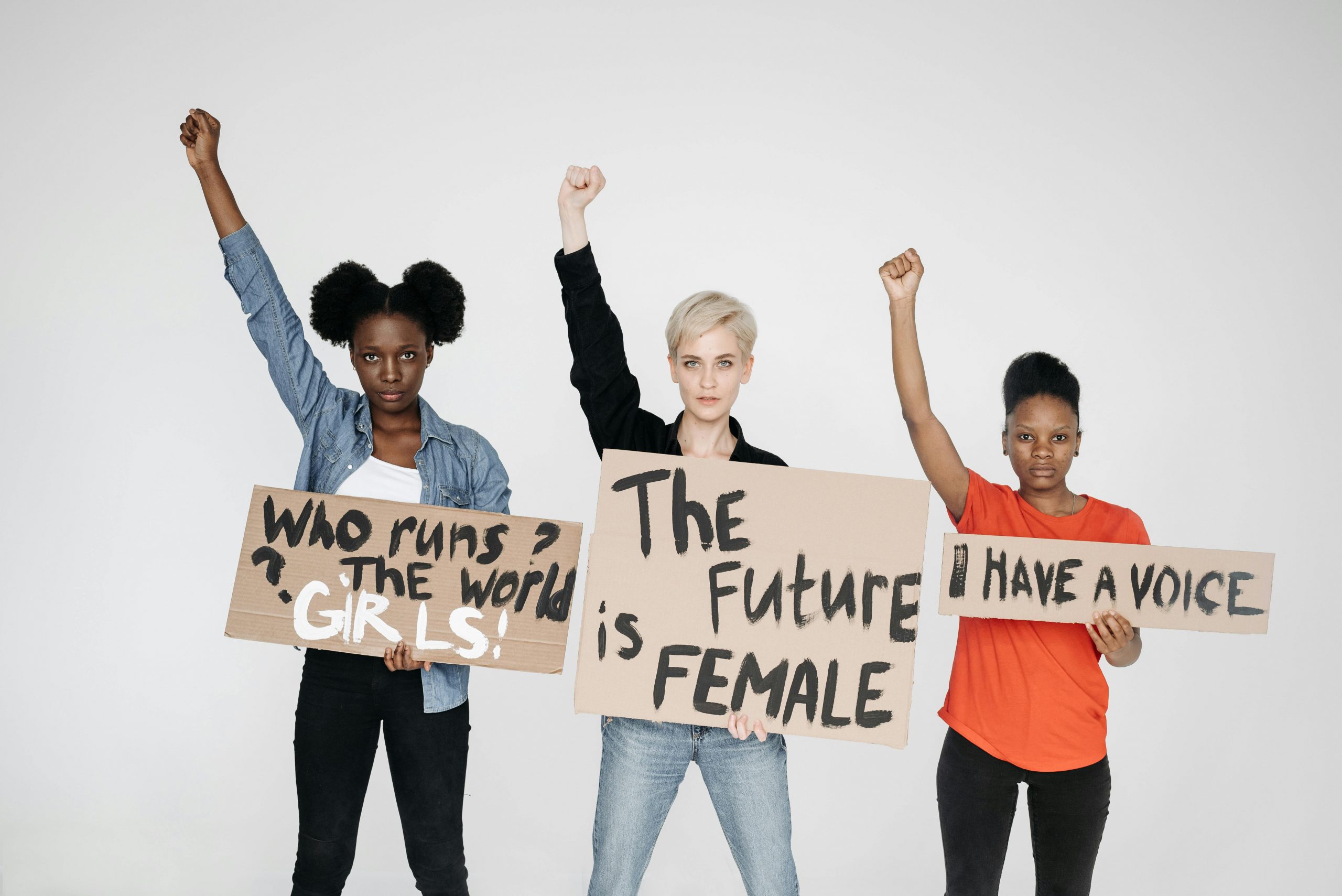
As young girls, one of the questions we are often asked is, “Are you a boy or a girl?” Theanswer comes easily: “I am a girl.” But the next question, “How do you know you are agirl?” reveals something deeper. It highlights just how important self-discovery andidentity (physical and mental) truly are.Having an identity is not enough; understanding it and discovering one’s voice areequally important. More often than not, girls are told to be quiet, to fit in, and to shrinkthemselves. Over time, this can affect their confidence and self-worth. This is why everygirl deserves the confidence to express herself and a clear understanding of who she is.It is one of the most powerful ways to empower girls to lead confident and purposefullives.THE IMPORTANCE OF IDENTITY FOR YOUNG GIRLSA girl’s discovery of her identity is a gateway to her overall development. Through thisprocess, she builds self-esteem, learns to make independent decisions, and begins totrust in her ability to achieve positive outcomes.It also strengthens her emotional resilience—the ability to adapt to stressful or difficultsituations and recover from them. With a strong sense of identity, girls are betterequipped to resist peer pressure. They develop the confidence to stand firm againstactions or opinions imposed on them by others.WHAT DOES IT MEAN FOR A GIRL TO DISCOVER HER VOICE?Discovering one’s voice is closely tied to discovering one’s identity. It involves learningto express thoughts and opinions clearly and confidently.In many African societies, girls and women are often discouraged from speaking up.Even in school settings, a girl who puts herself forward for leadership may face criticismsimply for being outspoken. This is why it is crucial for girls, from a young age, toembrace who they are, speak confidently, stand up for themselves, and do so withoutfear or diminished self-esteem.Self-awareness also plays a key role. It allows girls to understand who they are and whatthey want. Being self-aware means looking inward to recognize and understand one’s thoughts, feelings, and actions, as well as being aware of how others may perceive you.When a girl is self-aware, she makes better decisions, and with better decisions comeconfidence and positive outcomes.However, many girls struggle with this due to cultural expectations that encouragesilence or submission, limited access to mentorship or role models, social pressures andstereotypes, and a lack of safe spaces where they can freely express themselves.WAYS TO HELP GIRLS DISCOVER THEIR VOICE AND IDENTITYThere are several practical ways to support girls in discovering their voice and identity:
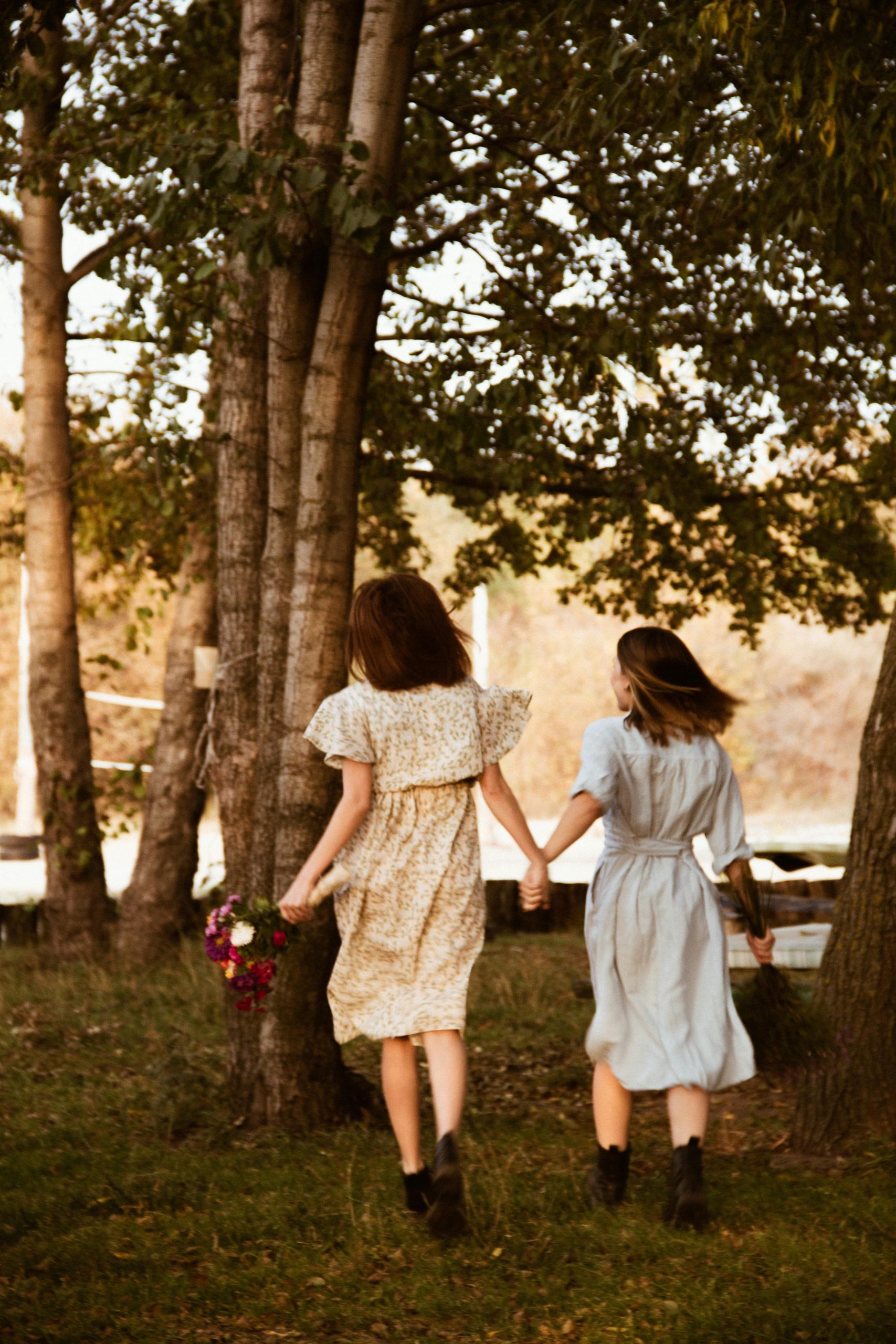
Friendships always came easily to me and when I think about my parents, I realise why. My mum was extremely outgoing, the life of the party. She went out quite often and seemed to have friends everywhere. My dad, on the other hand, could stay home with food and a TV for 40 days without stepping out and be absolutely fine. Somehow, I carry traits from both of them and I think that balance made it easy for me to get along with different kinds of people. As a child, I went to different primary schools, and in each one, I always had a best friend. It almost felt like a superpower. But even though I had good friends all the way into adulthood, I later realised that something was missing. I was not paying attention to myself. I did not really know who I was, what I valued, or who I wanted to become. I was simply going with the flow. In friendships and in life. And it was not until much later that I began to understand just how much friendships actually shape one’s life. There is family, and then, there are friends. Both influence us significantly. And yet, no one taught us how to be intentional about friendships. For many girls, friendship is where self-esteem can be tested the most. It is where we notice how people treat us versus how they treat others. It is when we start to ask ourselves some questions: Do they like me? Do I belong? Am I cool? And without even realising it, we subconsciously start to change. We talk less. We agree more. We laugh when it is not even that funny. And on the outside, it looks like we are fitting in. In my case, deep down, I felt like I was not good enough and until more recently in my life, I do not remember being truly confident. I convinced myself that I preferred being in the background, but the truth was, I was afraid. I was scared of being seen, being exposed. So what did I do? I hid. But friendship was never meant to help us hide. Looking back, I knew how to be with people, but I did not always know how to be with myself and because of that, I overlooked things, in others and in me. This is why I always say:Friendship is not only about other people. It is about you. Me. You. Us. Me – Who am I?Knowing who we are is not always as simple as it sounds. It requires paying attention and asking ourselves questions. What are our likes, dislikes, personality, quirks, values? When we do not answer these questions, our friendships will answer them for us. We start to become different people in different situations and we end up going wherever life takes us. Self-awareness on the other hand, gives us the opportunity to make better choices for ourselves and from that place, we can begin to build a life intentionally. You – Who do I need? Just because someone is around us does not mean they need to be our friends. Close friends should not be based on proximity or boredom. It should not even be because someone chose us first. It requires us to ask some more questions: Do we have similar values? Do I feel safe being myself? Are they growing? Although it is easy to ignore little things at first, when someone shows you who they are, even casually, please pay attention. You need to choose based on character and values because more than you realise, the people closest to you will affect your thinking, your behaviour, and who you become, so choose well. It is not pride, it is wisdom. Us – Where are we?People change. Friendships change. Life happens.One minute, you are in the same class, sharing food. The next minute, everything looks different. Sometimes, without any argument, you realise you are no longer on the same page with them anymore. The problem could even be you. When this change begins to happen, you have to be willing to do the hard things – have uncomfortable conversations with yourself or with them, apologise when you are wrong, talk about things that bother you and sometimes, let some friends go. The goal is not to have many friends. The goal is to have the right ones. The ones that allow you to be yourself.The ones that do not need you to stay small.The ones that support who you are growing into, not who you used to be. If you are trying to make sense of your friendships, at any age, you are not alone. It can feel confusing and it can even feel like something is wrong with you. But a lot of times, it is not that something is wrong. It is that you are growing. So, don’t rush the process. Take your time.And be honest about where you are. Because at the end of the day, your friends will not just help you get through life, they will determine who you will be. With love,Deoti | Fola Keona | A Place You Find Light
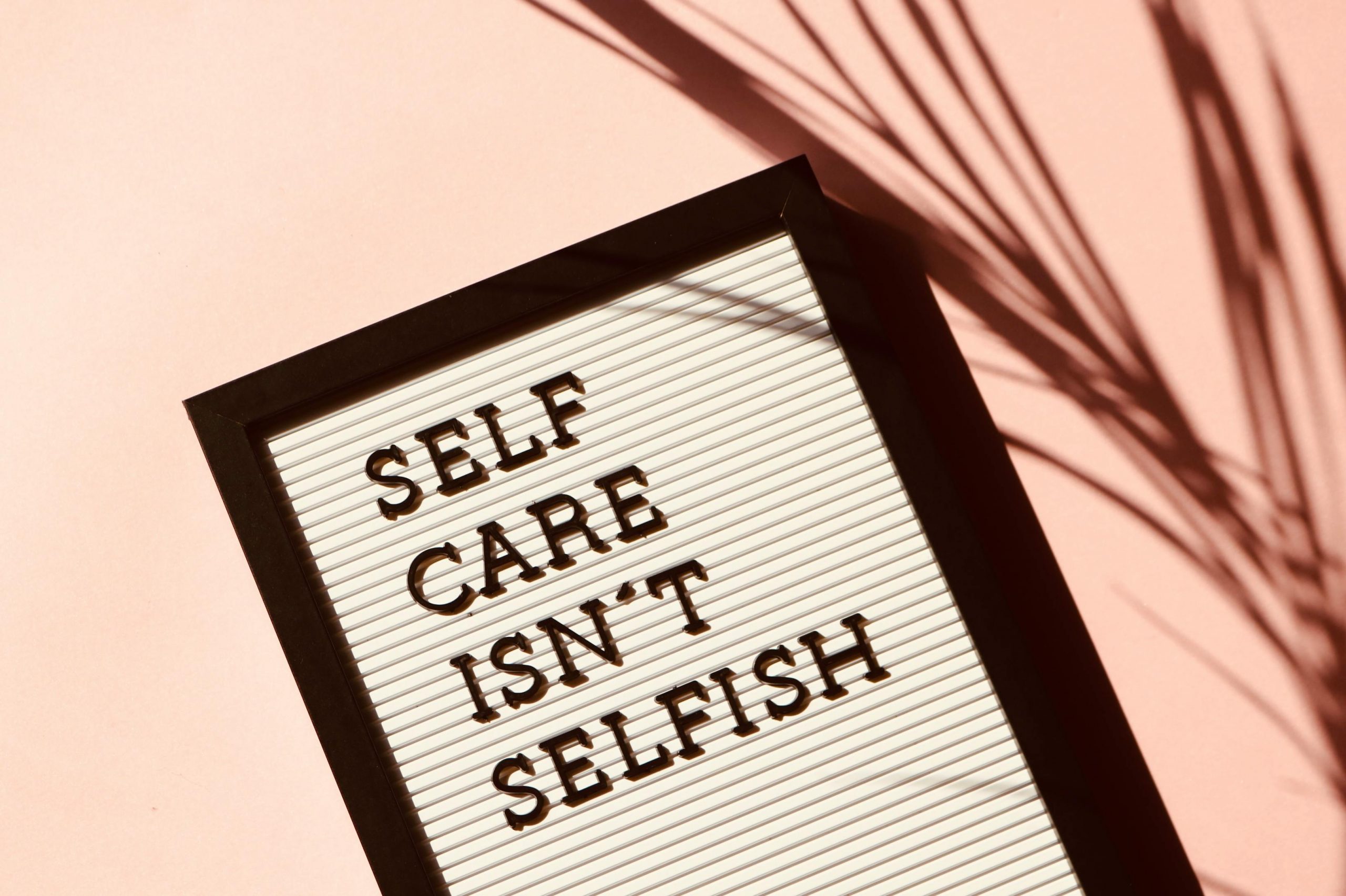
Setting boundaries is like drawing a line, and it’s necessary. You’re not being mean or selfish, you’re being clear about what you can handle. When you don’t set boundaries, people might take advantage, and you’ll end up drained. It’s not about being exclusive, it’s about being intentional with your energy. Some people might get hurt, but that’s not always because you’re doing something wrong. Sometimes, people are used to having unlimited access to you, and they get uncomfortable when you set limits. Boundaries help you navigate relationships with clarity. They help you distinguish between those who respect you and those who don’t. It’s not about building walls, it’s about building healthy relationships. Your peace is worth choosing. If someone’s consistently draining you, it’s okay to take a step back. “Love is a command, but friendship is a choice” choose your people wisely. Don’t feel guilty about prioritising yourself, it’s the best thing you can do for your mental health.
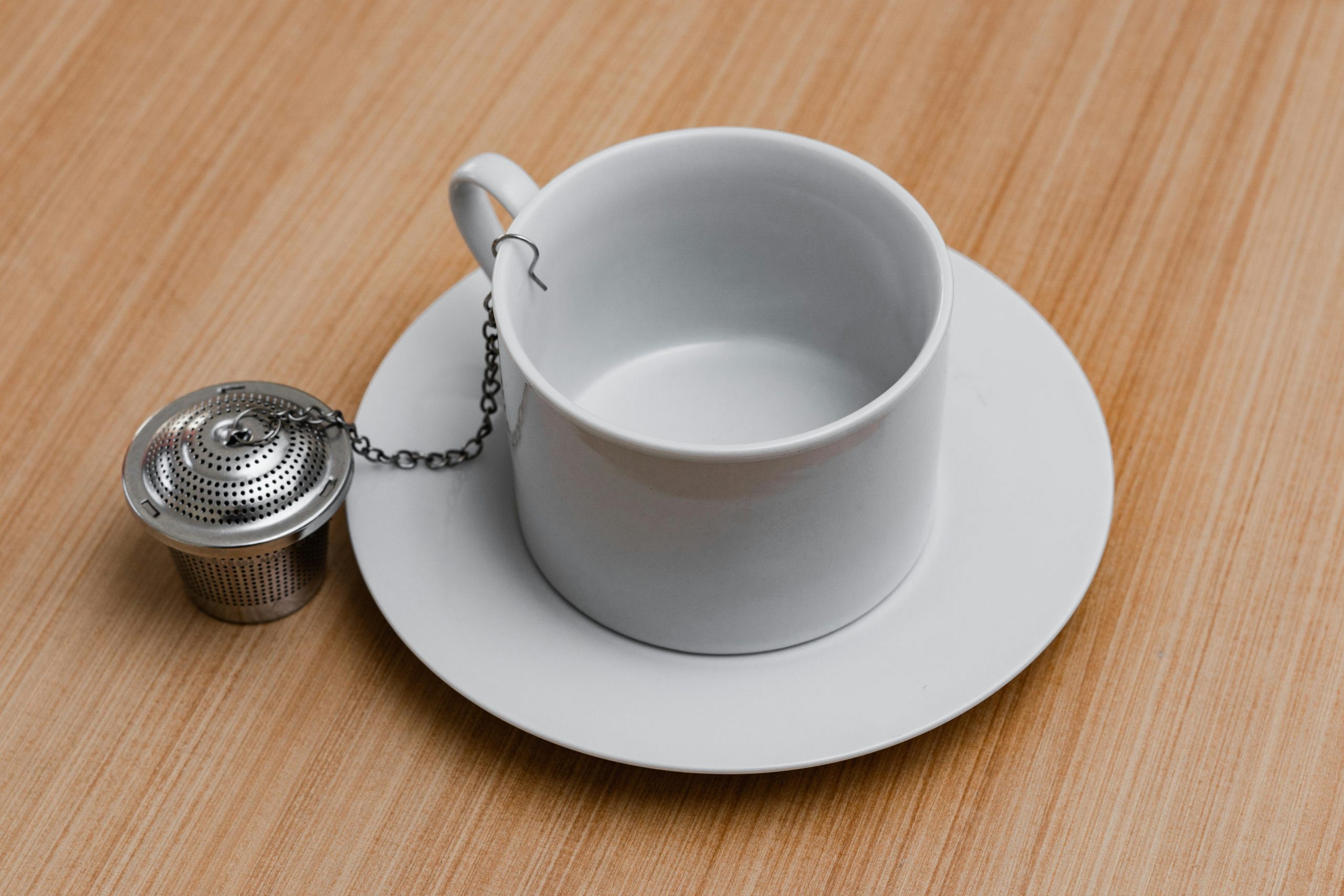
Constantly being there for others while struggling yourself can be overwhelming. It’s like you’re running on empty, but still trying to keep everyone else’s lights on. Emotional exhaustion can creep in, leaving you feeling empty, sad, and broken. You’re not just feeling a little down, you’re feeling depleted. When you’re consistently giving to others, it’s easy to neglect your own needs. You might feel like you’re losing yourself in the process, like you’re just a shell of who you used to be. The fatigue, sadness, and breakdowns are signs that something’s gotta give. It’s like your body and mind are sending you distress signals, saying, ‘Hey, slow down!’ Apathy burnout can manifest physically through tiredness, headaches, or just feeling ‘off’. It’s like your body is saying, ‘I’m done, I can’t take it anymore. Don’t ignore these signs. Take a step back, breathe, and prioritize you. It’s okay to not be okay, and it’s okay to put yourself first sometimes. You’re doing the best you can, and that’s something to be proud of. But remember, you can’t pour from an empty cup. Take care of yourself, refill your cup, and then you can pour into others again. If you need to take a break, do it. If you need to say no, say it. Your well-being matters too. It’s not selfish to prioritize yourself it’s necessary. You’re not being selfless by neglecting their own needs, you’re being human. So, take a deep breath, give yourself permission to take care of you, and remember that you’re not alone in this. Written by: Ocholoda Moses
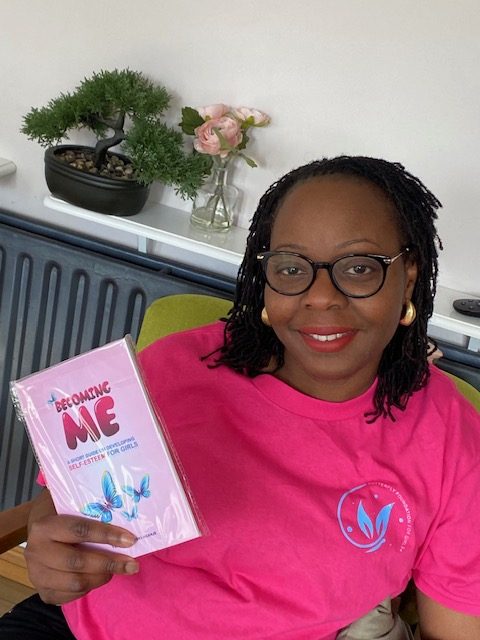
A new year is a natural moment to pause and reset. It invites us to think not only about goals and achievements, but about the kind of person we are becoming.
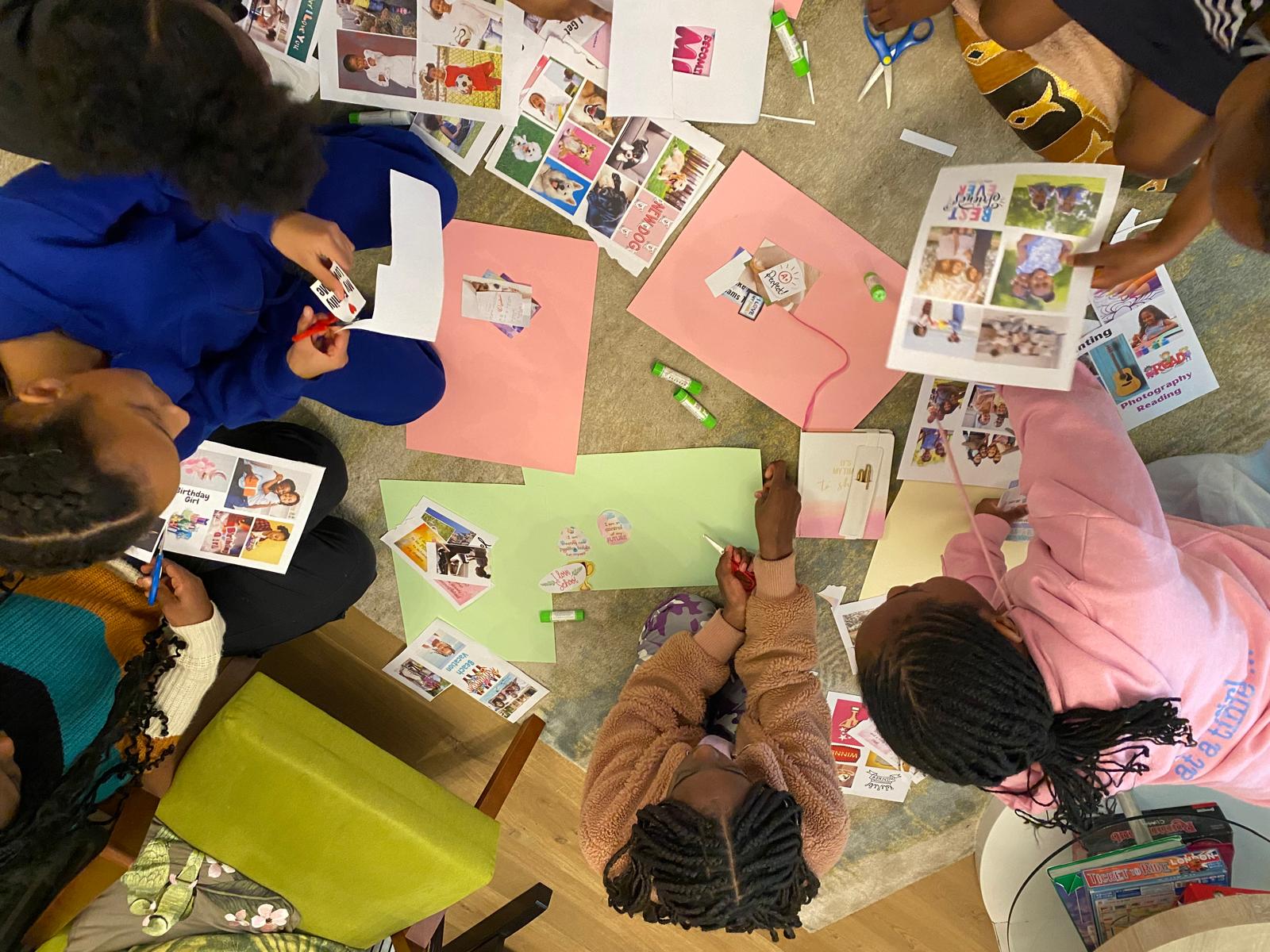
School clubs are more than just extracurricular activities—they are communities where students find purpose, passion, and a sense of belonging.